The Role of Essential Oils in Agarwood Fragrance Longevity
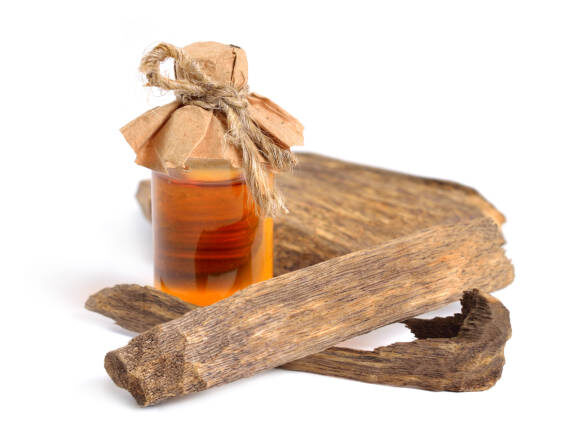
Agarwood, also known as oud, gets its distinctive aroma from resin-rich compounds within the wood. These aromatic oils create the warm, woody, and complex fragrance associated with quality agarwood.
When heated, the resinous compounds gradually evaporate and release their aroma. Therefore, the resin concentration strongly influences agarwood fragrance intensity and longevity.
How Essential Oil Content Affects Agarwood Fragrance
High-quality Grade A agarwood generally contains more aromatic resin than lower-grade chips. This higher resin content can produce a deeper and longer-lasting fragrance when the wood is heated.
As a result, Grade A agarwood can provide a rich aromatic experience that may remain noticeable for several hours. Its complex scent profile also makes it popular for premium incense, personal fragrance, and ceremonial applications.
In contrast, Grade B agarwood typically contains less resin. It can still produce a pleasant aroma, but the fragrance may be lighter and dissipate more quickly.
However, agarwood quality cannot depend on grade labels alone. Origin, resin distribution, wood maturity, processing, and storage conditions can also affect the final fragrance profile.
Factors That Influence Agarwood Fragrance Longevity
Essential oil evaporation depends on several environmental and heating conditions.
Temperature: Higher temperatures generally accelerate aromatic compound evaporation. Gentle heating can release fragrance more gradually.
Humidity: Ambient humidity can influence how fragrance disperses and how users perceive its intensity.
Heating Method: Indirect heating methods can provide slower and more controlled fragrance release than direct flame exposure.
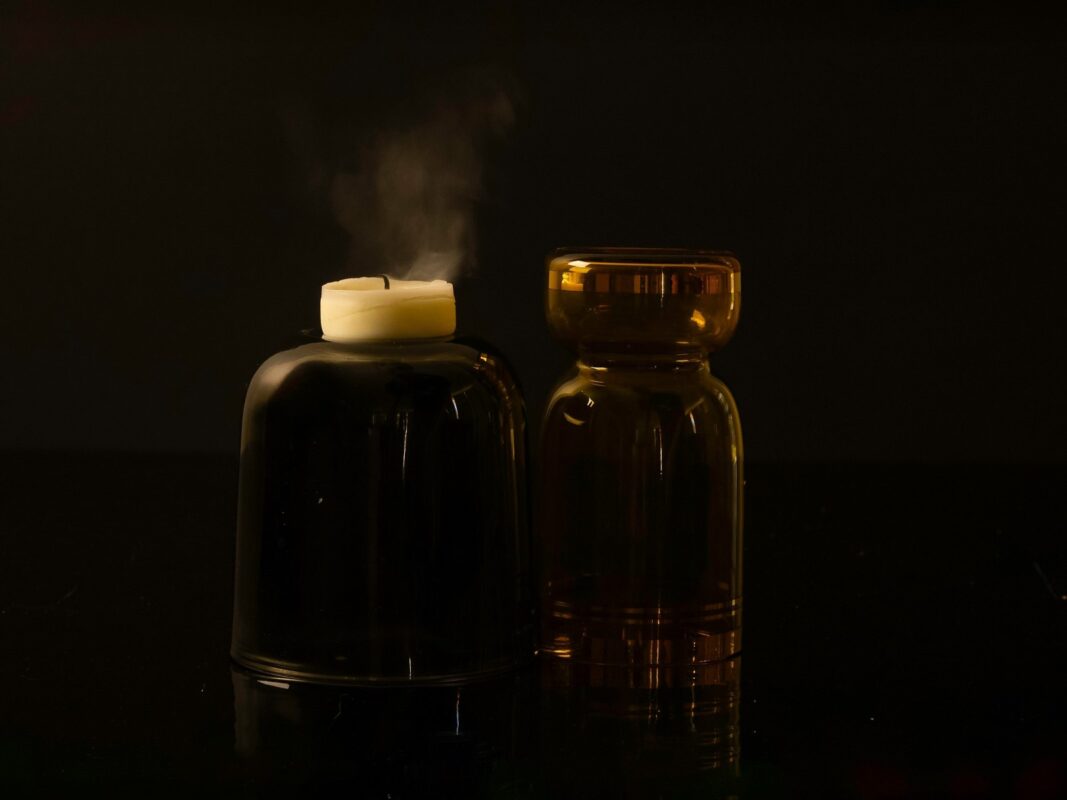
For example, a tea light burner can gradually heat agarwood chips. This method may help users enjoy the aroma for longer while reducing excessive burning.
Grade A vs. Grade B Agarwood Chips
Agarwood grades are commonly associated with resin concentration, fragrance quality, appearance, and overall value. However, grading systems can vary between suppliers and markets.
| Feature | Grade A Agarwood | Grade B Agarwood |
|---|---|---|
| Resin Content | Generally higher | Generally lower |
| Fragrance Intensity | Rich and pronounced | Milder and lighter |
| Scent Complexity | More layered and complex | More straightforward |
| Fragrance Duration | Typically longer | Typically shorter |
| Typical Price | Higher | More affordable |
| Common Uses | Premium incense and ceremonies | Everyday home fragrance |
| Buyer Profile | Collectors and enthusiasts | Casual users and regular consumers |
Grade A Agarwood
Grade A agarwood is often preferred by experienced users seeking a stronger and more complex aroma.
Its higher resin content can create deeper woody, sweet, balsamic, or spicy fragrance characteristics. The exact profile depends heavily on the species, geographical origin, resin formation, and processing method.
Premium chips can therefore provide a more immersive fragrance experience when heated correctly.
Grade B Agarwood
Grade B agarwood offers a more accessible option for regular fragrance use. Its lower resin concentration generally produces a softer aromatic profile.
It can work well for everyday home scenting, casual gatherings, and users who prefer a less intense fragrance.
However, Grade B does not necessarily mean poor quality. Natural agarwood varies significantly, and some lower-priced chips can still offer appealing and distinctive aromas.
Practical Applications for Different Agarwood Qualities
Choosing the appropriate agarwood quality depends on the intended application, fragrance intensity, and purchasing budget.
Grade B for Everyday Fragrance
Grade B agarwood works well in residential and casual environments. Its moderate fragrance can create a comfortable atmosphere without overwhelming the surrounding space.
Typical applications include:
- Living rooms
- Personal studies
- Bedrooms
- Casual gatherings
- Everyday home fragrance
- Regular incense use
Its relatively affordable price also makes it suitable for frequent use.
Grade A for Premium and Ceremonial Applications
Grade A agarwood suits applications that require a richer and more distinctive fragrance.
Common uses include:
- Religious ceremonies
- Meditation spaces
- Premium incense collections
- High-end hospitality environments
- Special cultural events
- Personal fragrance rituals
The deeper fragrance can enhance the atmosphere and create a more memorable sensory experience.
For ceremonial applications, premium agarwood may also carry cultural and symbolic significance.
How to Choose Agarwood for Aromatic Applications
Consumers should evaluate more than the simple Grade A or Grade B label when purchasing agarwood.
Consider the following factors:
1. Resin Distribution
Look for visible resin concentration rather than relying exclusively on color. Resin-rich areas generally contribute more significantly to fragrance performance.
2. Fragrance Profile
Agarwood can produce different aromatic notes depending on its origin and resin composition. Evaluate whether the fragrance suits your intended application.
3. Origin and Species
Different agarwood-producing species and regions can create substantially different scent profiles. Ask suppliers for reliable origin and species information.
4. Processing and Storage
Improper processing or storage can affect fragrance quality. Keep agarwood in a dry, protected environment away from excessive heat and moisture.
5. Heating Method
Use an appropriate heating method for the intended fragrance intensity. Gentle indirect heating generally provides greater control over aromatic release.
Why Agarwood Quality Matters for Aromatic Experiences
The longevity of agarwood fragrance depends on more than resin concentration alone. Resin quality, wood characteristics, origin, storage, and heating conditions all influence the final aromatic experience.
Higher-resin agarwood can provide a richer and more persistent fragrance. Lower-resin chips can offer a milder and more economical option for everyday use.
For aromatherapy and personal relaxation, users should also avoid assuming that stronger fragrance automatically means greater therapeutic benefits. Agarwood is primarily valued for its cultural, sensory, and aromatic qualities, while evidence for specific therapeutic effects remains limited.
Ultimately, selecting the right agarwood quality requires matching the resin profile, fragrance intensity, application, and budget. By understanding these factors, buyers can make more informed purchasing decisions and enjoy the distinctive character of agarwood more effectively.