


Definition, Formation, and Cultural Value of Agarwood
1. Definition and Botanical Diversity of Agarwood
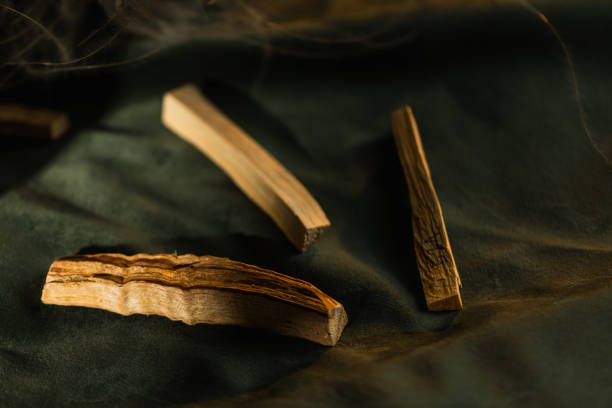
Agarwood is a fragrant material formed when certain trees produce resin in response to stress or injury. Unlike ordinary wood, agarwood contains resin-rich areas that create its distinctive and complex aroma.
For centuries, agarwood has been used in religious practices, traditional medicine, incense, and fragrance production. Its formation is closely associated with the tree’s natural defense response to environmental stress, physical damage, or microbial infection.
Most agarwood-producing species belong to several botanical families, including Thymelaeaceae, Lauraceae, Burseraceae, and Euphorbiaceae. However, the aroma, resin composition, density, and commercial value can vary significantly between species.
Among these species, Aquilaria sinensis, a member of the Thymelaeaceae family, is particularly important. Historically, this species was widely distributed across southern China and became highly valued because of its ability to produce fragrant agarwood resin.
However, excessive harvesting and habitat loss have placed considerable pressure on natural populations. Therefore, conserving agarwood-producing trees has become increasingly important for maintaining biodiversity and sustainable resources.
In addition, some species within the Lauraceae family can also produce resinous wood with distinctive aromatic compounds. As a result, agarwood diversity reflects both its botanical origins and the environmental conditions under which it develops.
Understanding the botanical diversity of agarwood is therefore important from both cultural and ecological perspectives. It also highlights the importance of sustainable cultivation, resource management, and biodiversity conservation.
2. How Is Agarwood Formed?
The agarwood formation process is a complex interaction between tree physiology, biological stress, and environmental conditions.
Under normal conditions, healthy agarwood-producing trees generally have relatively soft wood with little of the characteristic fragrance associated with mature agarwood. The distinctive aroma develops when the tree responds to external stress.
For example, mechanical injury, microbial infection, and environmental stress can activate the tree’s natural defense mechanisms. In response, the tree begins producing and accumulating resin-rich compounds around affected tissues.
This defensive response helps isolate damaged areas and restrict potential biological threats. Over time, resin accumulates within the wood and changes its color, density, texture, and aromatic profile.
Therefore, agarwood is not simply ordinary wood with a strong fragrance. Instead, it represents a specialized resinous response produced by the tree under specific conditions.
Environmental Factors Affecting Agarwood Formation
Environmental conditions can also influence the development and quality of agarwood resin.
Factors such as climate, soil conditions, humidity, temperature, tree age, and growing environment may affect resin production. For example, trees growing under particular humid or tropical conditions may develop different resin characteristics from trees exposed to other environments.
As a result, the final quality and fragrance of agarwood depend on more than the tree species alone. The interaction between genetics, biological stress, resin production, and environmental conditions also plays an important role.
Understanding these factors provides valuable insight into why agarwood from different regions and species can have significantly different aromas and commercial characteristics.
3. How Does Fungal Infection Affect Agarwood Formation?
Fungal infection is one of the important biological factors associated with agarwood formation. When fungi colonize damaged tree tissues, they can interact with the tree’s defense system and stimulate biochemical responses.
Certain fungal enzymes can affect components of plant cell walls. These interactions may trigger the tree to produce defensive compounds and increase resin accumulation around affected tissues.
Consequently, the infected area can gradually develop the characteristic properties associated with agarwood.
The Role of Fungal Infection in Resin Production
Fungal activity can influence agarwood formation in several ways.
First, fungal enzymes can modify components of the tree’s cell walls. This interaction may activate defensive pathways within the tree.
Second, the tree responds by producing and accumulating resin and aromatic compounds in localized tissues. Over time, these compounds can increase wood density and contribute to its characteristic fragrance.
Furthermore, the resulting agarwood can vary depending on several factors. These include the fungal species, infection intensity, tree species, duration of the response, and environmental conditions.
Therefore, fungal infection should not be considered the only factor responsible for agarwood formation. Instead, it is part of a broader biological process involving the interaction between the host tree and its environment.
Research into fungus-induced agarwood formation can help scientists better understand resin production and support more controlled cultivation methods.
However, commercial production should consider the health of the host tree and appropriate cultivation practices. Sustainable production methods remain essential for protecting agarwood resources while supporting market demand.
4. Cultural Significance and Economic Value of Agarwood
Agarwood has held an important position in Asian culture for centuries. Its distinctive fragrance and rarity have contributed to its use in religious ceremonies, incense, traditional practices, and fragrance applications.
In China and other Asian regions, agarwood has traditionally been used in temples and spiritual settings. Its deep aroma can help create a calm and contemplative atmosphere.
Therefore, the cultural value of agarwood extends beyond its physical characteristics. For many traditional communities, it also represents spiritual practice, tranquility, and cultural heritage.
Agarwood in Traditional and Modern Applications
Agarwood has also been used in various traditional medicinal practices. Historically, resin-rich agarwood has been associated with calming and soothing applications.
Today, interest in natural aromatic products has expanded the potential applications of agarwood. Depending on regional regulations and traditional practices, agarwood may be used in incense, perfumes, aromatherapy products, and other fragrance-related applications.
However, traditional medicinal claims should be distinguished from scientifically established medical evidence. Therefore, agarwood should be evaluated according to the intended application and applicable regulations.
Why Is Agarwood Valuable?
The combination of rarity, resin content, aroma, species, origin, and cultural significance contributes to agarwood’s economic value.
High-quality resin-rich agarwood can command significant prices in specialty markets. As a result, it has attracted the attention of collectors, fragrance producers, incense manufacturers, and specialty traders.
At the same time, scarcity and high demand can increase pressure on wild agarwood resources. Consequently, sustainable cultivation and responsible sourcing have become increasingly important.
Modern agarwood production therefore needs to balance commercial value, cultural heritage, and ecological conservation.
Conclusion: Understanding Agarwood from Biology to Culture
Overall, agarwood is the result of a complex interaction between tree species, biological stress, resin production, environmental conditions, and time.
Among the many species, Aquilaria sinensis remains particularly important because of its historical and commercial significance. Meanwhile, fungal and microbial interactions can influence the tree’s defensive response and subsequent resin accumulation.
Furthermore, agarwood’s distinctive fragrance has given it lasting cultural and commercial importance. It continues to play a role in incense, fragrance, traditional practices, and specialty markets.
However, increasing demand also highlights the need for sustainable agarwood cultivation and responsible resource management.
By understanding how agarwood forms and why its quality varies, producers, buyers, and researchers can better appreciate its biological, cultural, and economic value while supporting the long-term conservation of agarwood-producing species.