


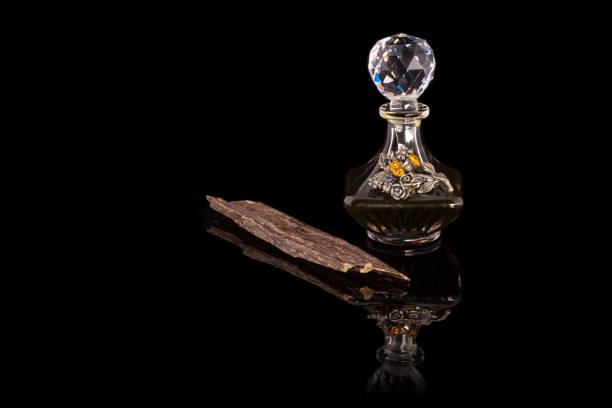
If you plan to supply fragrance products to Middle Eastern markets, understanding what bakhoor is can help you make better sourcing decisions. Bakhoor, also spelled bukhoor, is a traditional Arabian incense made from fragrant wood chips, wood-based materials, or aromatic mixtures infused with fragrance oils and other ingredients.
Unlike oud essential oil, which is a concentrated liquid fragrance ingredient, bakhoor is typically a solid incense product heated to release its aroma. People use it to scent homes, clothing, and gathering spaces, particularly during hospitality occasions and celebrations.
For wholesalers, bakhoor offers an opportunity to serve home fragrance retailers, gift shops, hotels, and specialty fragrance distributors. However, choosing the right products requires more than understanding their cultural significance. Buyers also need to distinguish bakhoor from agarwood chips and oud oil, verify ingredient claims, and evaluate product specifications.
This guide explains what bakhoor is, how people use it, what it contains, and what B2B buyers should consider when sourcing Arabian incense.
1. What Is Bakhoor and Why Is It Important in Arabian Culture?
Bakhoor is a traditional incense category associated with the Arabian Peninsula and broader Middle Eastern fragrance culture. Manufacturers create different blends using fragrant wood materials, aromatic oils, resins, and other fragrance ingredients.
Common scent profiles include woody oud, warm amber, musk, sandalwood, and floral notes. The exact fragrance depends on the formulation, so not every bakhoor product contains genuine agarwood or natural oud oil.
Bakhoor and Arabian Hospitality
In many Arab communities, bakhoor plays a role in hospitality and home fragrance. Hosts may burn incense before guests arrive to create a welcoming atmosphere, and some traditions involve passing a mabkhara, or incense burner, among guests so they can enjoy the fragrance on their clothing.
Bakhoor is also used during family gatherings, weddings, festive occasions, and everyday home fragrance routines. Practices vary across countries and households, so wholesalers should research the preferences of their specific target markets rather than treating the Middle East as a single uniform market.
How Is Bakhoor Used?
Bakhoor is generally heated in a suitable incense burner rather than applied directly like perfume oil.
Traditionally, users place a small amount on hot charcoal inside a mabkhara. Some modern formulations are designed for compatible electric incense burners. As the material warms, it releases fragrance into the surrounding space.
Depending on the blend and usage conditions, the scent may also linger on clothing and fabrics.
For wholesale buyers, common potential sales channels include:
- Home fragrance retail: Incense for living rooms and other indoor spaces.
- Hospitality: Fragrance products for hotels, lounges, and guest reception areas.
- Gift retail: Bakhoor packaged for celebrations and personal gifting.
- Specialty fragrance stores: Oud-inspired and traditional incense products.
These channels represent potential market opportunities, not guaranteed demand. Buyers should validate local preferences, pricing, and product requirements before placing bulk orders.
2. What Is Bakhoor Made Of?
There is no single formula for bakhoor. Some products contain genuine agarwood chips, while others use alternative wood materials, wood powder, or pressed aromatic bases.
Manufacturers may combine these materials with fragrance oils, essential oils, resins, and other aromatic ingredients to develop a particular scent profile.
Common Bakhoor Ingredients
| Ingredient or material | Role in the fragrance | What wholesalers should verify |
|---|---|---|
| Agarwood or oud | Adds a distinctive woody, resinous aroma | Whether genuine agarwood is included and its form |
| Sandalwood | Contributes a soft, woody fragrance note | Material identity and natural or synthetic origin |
| Rose and floral ingredients | Add floral character and fragrance balance | Whether the formula uses extracts, essential oils, or fragrance compounds |
| Musk and amber accords | Create warm, rich fragrance profiles | Ingredient declarations and relevant specifications |
| Resins and other aromatic materials | Add depth and complexity to the blend | Specific materials, handling requirements, and supporting documentation |
Not every bakhoor blend contains all these ingredients. Some commercial products use synthetic fragrance compounds to achieve a consistent scent or meet a particular price point.
For B2B buyers, the important distinction is between the fragrance impression a product creates and the actual materials used to manufacture it.
Does All Bakhoor Contain Real Oud?
No. Bakhoor is a product category, not a guarantee of natural oud content.
Some products contain genuine agarwood chips or oud oil. Others use alternative wood bases and fragrance compositions that reproduce an oud-inspired scent.
This distinction matters when sourcing premium products for customers who specifically request natural agarwood or authentic oud ingredients.
The term oud bakhoor may describe a product’s scent profile, its ingredients, or both. Therefore, buyers should not assume that the name alone proves the presence or concentration of natural oud.
Before ordering, request a clear ingredient declaration and written confirmation of any claims involving genuine agarwood or oud oil. If natural agarwood is a key selling point, ask for supporting material documentation and verify applicable trade requirements.
3. What Are the Main Types of Bakhoor?
Bakhoor comes in several physical formats. Understanding these differences helps wholesalers organize their product catalogs and match products to customer preferences.
Scented Wood Chips
Some bakhoor products use small wood pieces infused, coated, or blended with aromatic materials.
This format may appeal to customers who prefer loose incense materials and traditional presentation. Buyers should evaluate chip size, fragrance consistency, moisture condition, packaging, and the manufacturer’s recommended usage method.
If the product is marketed as natural agarwood, verify that claim separately from its fragrance description.
Pressed Bakhoor Pieces and Tablets
Some manufacturers compress aromatic materials into blocks, tablets, or other shaped pieces. These formats can simplify portioning, packaging, and retail presentation.
However, the physical shape does not establish the correct heating method. Buyers should confirm whether the product is designed for charcoal, an electric incense burner, or another specified heat source.
Bakhoor Powder and Fine Aromatic Blends
Powdered or finely divided blends are another possible product format. Their composition and intended usage vary by manufacturer.
Wholesalers should confirm handling instructions, packaging requirements, storage conditions, and compatibility with the recommended heating equipment.
Important: Bakhoor formats are not automatically interchangeable. The formulation, burner design, temperature, and manufacturer instructions affect fragrance release and product performance.
4. Bakhoor vs. Agarwood Chips vs. Oud Essential Oil
For fragrance wholesalers, understanding the difference between bakhoor, agarwood chips, and oud essential oil is essential for accurate product selection and marketing.
Although these products are related, they have different physical forms, compositions, and applications.
| Product | What it is | Typical application | Main sourcing consideration |
|---|---|---|---|
| Bakhoor | A finished solid incense product made from wood-based materials and aromatic ingredients | Heating to fragrance rooms or, where appropriate, clothing | Confirm formulation, fragrance profile, format, and burner compatibility |
| Agarwood chips | Pieces of resinous agarwood sold according to material characteristics and grade | Incense use or further processing, depending on grade | Verify botanical identity, origin, grading, and trade documentation |
| Oud essential oil | A concentrated aromatic oil obtained from agarwood through extraction | Perfumery and fragrance formulation, subject to intended use | Verify composition, specifications, documentation, and intended application |
Bakhoor vs. Oud: What Is the Difference?
The main difference is that bakhoor is generally a finished incense product, while oud may refer to agarwood itself, an oud-inspired fragrance, or an aromatic oil derived from agarwood.
Bakhoor may contain oud oil, but its formula can also include other woods, resins, fragrance oils, and aromatic compounds. Its fragrance therefore depends on the complete formulation rather than one ingredient alone.
Oud essential oil is a concentrated liquid ingredient used in suitable fragrance applications. It is not a direct substitute for finished bakhoor because the two products have different uses and handling requirements.
For wholesalers, clear distinctions help prevent product misclassification and set accurate customer expectations.
How Agarwood and Oud Oil Suppliers Can Serve Bakhoor Buyers
Suppliers of agarwood chips and oud essential oil can help buyers understand how these materials relate to finished incense products.
Some buyers need agarwood chips for incense applications, while others require oud oil for fragrance formulation. Retailers seeking ready-to-use bakhoor may instead need a finished blend from a manufacturer specializing in incense products.
By clearly specifying the product form, composition, and intended application, suppliers can help B2B customers identify suitable materials without implying that every bakhoor formulation contains natural oud.
5. How to Source Bakhoor for Middle Eastern Wholesale Markets
Understanding the cultural background of bakhoor is only the first step. Successful sourcing also requires attention to fragrance preferences, product specifications, documentation, packaging, and import requirements.
Match Fragrance Profiles to the Target Market
Different customers may prefer different fragrance families. Some favor rich, woody, oud-led blends, while others prefer sweeter, floral, musky, or balanced fragrances.
Preferences can vary by country, retail channel, customer group, and price segment.
Before selecting a product range, wholesalers should evaluate:
- Preferred scent profiles and fragrance intensity.
- Loose chips, pressed pieces, or other physical formats.
- Target retail prices and package sizes.
- Intended use in homes, hospitality spaces, or gifting.
- Existing competing products and local customer expectations.
Request samples from shortlisted suppliers and compare them under consistent conditions before committing to bulk purchases.
Verify Ingredients and Product Specifications
Bakhoor is a formulated fragrance product, so suppliers should provide information that matches the actual product being sold.
Depending on the product, relevant details may include:
- Ingredient declarations and product composition.
- Physical format and net weight.
- Fragrance specifications and batch identification.
- Recommended usage and storage instructions.
- Available safety data and other relevant technical documentation.
If the product is marketed as containing genuine agarwood or oud oil, ask for supporting documentation. Buyers should also clarify how the supplier controls batch-to-batch fragrance consistency and manages product changes.
Evaluate Packaging and Labeling
Suitable packaging helps protect bakhoor from avoidable moisture exposure, contamination, and fragrance loss during storage and transportation.
Packaging also affects product presentation, retail convenience, and gifting appeal. For private-label projects, buyers can discuss package size, design, labeling, and branding options with the supplier.
Before shipment, verify the labeling and import requirements that apply in the destination market. Requirements may vary according to the product’s ingredients, classification, packaging, and intended use.
Check Agarwood Trade Requirements
If a product contains regulated agarwood materials, importers should confirm the applicable wildlife-trade rules and documentation before shipment.
Some agarwood-producing species are subject to CITES controls, but requirements depend on the species, listing status, product form, and applicable exemptions or annotations.
Do not assume that every agarwood product has the same documentation requirements. Verify the specific material and destination requirements with the relevant authorities or qualified trade professionals.
6. How to Build a Bakhoor Wholesale Product Range
For B2B buyers, a clear product assortment makes sourcing and downstream marketing easier. Rather than starting with many similar products, consider organizing the range around distinct customer needs.
Separate Finished Incense From Raw Fragrance Materials
A practical catalog structure may include:
- Bakhoor incense: Finished aromatic blends in clearly specified formats.
- Agarwood chips: Raw or graded wood materials for suitable incense applications.
- Oud essential oil: Concentrated aromatic ingredients for compatible fragrance applications.
This structure helps customers identify the right product category and reduces confusion between finished goods and raw materials.
Define Product Positioning and Quality Requirements
Within each category, compare fragrance profile, composition, packaging, price, and target customer.
If a product is positioned as premium, identify the features that support that positioning, such as verified natural ingredients, consistent specifications, distinctive packaging, or documented material quality.
Avoid using terms such as “pure oud,” “natural,” or “premium” without clear definitions and appropriate supporting evidence.
Confirm Wholesale and Customization Terms
Before placing an order, clarify the minimum order quantity, sample availability, lead time, packaging options, and product documentation.
For customized products, confirm whether the supplier supports private labeling, packaging development, fragrance adjustments, or other requested services. Ensure that all agreed specifications appear in the quotation or purchase documentation.
Conclusion: Understand Bakhoor Before Sourcing for Wholesale
Bakhoor is a traditional Arabian incense category with an important role in hospitality and home fragrance across many Middle Eastern communities. Its formulations range from wood-based aromatic blends to products featuring genuine agarwood or oud-related ingredients.
For wholesalers, the most important distinctions are straightforward:
- Bakhoor is a finished incense category, not another name for oud essential oil.
- Not every bakhoor product contains genuine agarwood or natural oud oil.
- Physical format, fragrance profile, material composition, and heating requirements affect product selection.
- Supplier documentation, sampling, packaging, and destination-market requirements should guide purchasing decisions.
For Crescent Oud, explaining the differences between bakhoor, agarwood chips, and oud essential oil can help B2B buyers find products suited to their business needs.
Whether you are sourcing raw agarwood materials or oud essential oil, define your intended application, target market, required specifications, and expected order volume before requesting a quotation. Clear requirements make supplier evaluation more efficient and support stronger long-term wholesale relationships.